We speak Spanish and Vietnamese


We speak Spanish and Vietnamese

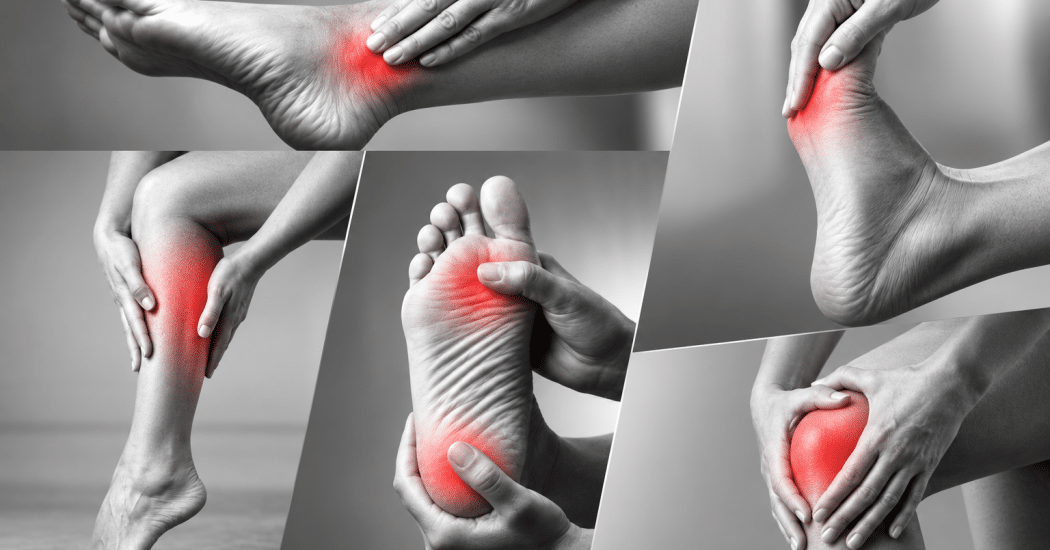
We specialize in spine, disc and neuropathy issues. Using advanced non surgical treatment, we work to address the source of your pain without surgery, injections or major time away from work.
Peripheral neuropathy is the term for damage to the peripheral nerves, the vast network that carries messages between your brain and spinal cord and the rest of your body. When these nerves are damaged, the signals they send can become weak, scrambled, or lost entirely. That breakdown in communication is what causes the numbness, tingling, pain, and weakness so many patients feel, most often starting in the hands and feet.
Neuropathy can affect a single nerve, a group of nerves, or many nerves throughout the body. Diabetes is the most common cause, but nerve damage can also result from injuries, infections, chemotherapy and certain other medications, vitamin deficiencies, alcohol use, autoimmune conditions, and exposure to toxins. In some cases no clear cause is ever found. Because symptoms often develop slowly, many people live with them for months or even years before seeking care. The sooner neuropathy is evaluated, the better the chance of slowing its progress and improving your quality of life.
Your peripheral nervous system is made up of three types of nerves, and the symptoms you experience depend on which type is affected:
Common warning signs of peripheral neuropathy include:
Our drug free, non surgical approach to neuropathy care can help patients who are experiencing:
Yes. Spinal decompression has been demonstrated effective in relieving pain linked with bulging and herniated discs, degenerative disc disease, sciatica, and even failed back surgery. Clinical studies have shown an outstanding success rate in treating lumbar disc related problems.
The treatment applies a gentle distraction force to the spine to relieve the nerve compression that is often behind low back pain, sciatica, and the nerve irritation that can contribute to neuropathy symptoms. Every patient begins with a consultation so the doctor can determine whether treatment is a good fit.
The Accu SPINA System delivers a treatment called IDD Therapy, which stands for Intervertebral Differential Dynamics. Published studies report an 86% to 91% success rate in reducing pain related to disc herniation.
The system creates negative pressure between the discs, which helps decrease herniation and gives damaged areas a chance to heal. Sessions typically last 23 to 35 minutes, and a full course of care usually runs four to six weeks.
Ideal candidates include adults with herniated or bulging discs, nerve compression, lumbar or cervical disorders, sciatica, degenerative disc disease, or pain that continues after surgery. Patients must be at least 18 years old.
Coverage varies by carrier. The Accu SPINA received FDA clearance in 2000, and many major insurance plans cover at least a portion of treatment. Our team will help you verify your benefits.
Yes. IDD Therapy on the Accu SPINA System is a safe, non invasive procedure for chronic back and neck conditions, including stenosis, degenerative disc disease, and herniated discs.
Treatments are typically scheduled one to three days apart, following research based protocols designed to maintain steady progress.
Stay positive, follow your treatment protocol, keep up with your prescribed exercise program, and limit activities that aggravate your pain.
Clinical studies have shown decompression on the Accu SPINA to be more effective than standard physical therapy options for disc related pain.
Yes. The Accu SPINA received FDA clearance as a Class II medical device for decompression of both the lower back and the neck.
Yes. Extensive clinical studies validate IDD Therapy, and thousands of patients have been treated successfully.

Need To Schedule An Appointment Or Have A Question? Just Fill Out Our Appointment Form And A Friendly Hoang Chiropractic Center Representative Will Contact You Shortly.

We would like to take this opportunity to thank you for choosing our practice for your chiropractic care.

In just a weeks time they have made exceptional progress with my loss of motion in my neck and shoulder. They are very effecient and thourally understand my issues. The team of chiropractors have quickly created an action plan for my recovery. I can’t recommend them enough, the entire team is pleasant and I’m always feeling better after every treatment. Thank you!

My daughter sees Dr Hoang and Dr Trainor. Along with their staff, they provide superior care. They are clearly knowledgeable and experienced. I would not hesitate referring my family, my friends or my own patients to them.
Love Hoang Chiropractor Care. Both Dr. Hoang and Dr.Trainor are excellent doctors. They are extremely knowledgeable, great listeners, and focused on getting you the right treatment for your needs. The staff is amazing and very nice. Very accommodating with appointment times.
The staff here are great! They are very friendly. When I started my therapy here my pain was over 10. After a few months with them I felt much better and am almost pain free. They were always so welcoming and made me feel like family. Highly recommend.
I love Dr. Trainor and all of her staff. They have the most up to date technology, from laser therapy, the matrix machine, spinal decompression beds, ultrasound waves, etc. to make sure you get the best care and relief possible. I had been seeing a chiropractor with an older approach for years and it did provide relief for a while but the pain always came back since we weren’t fixing the underlying problem (6 ruptured discs).
The entire staff is awesome! Very friendly and knowledgeable. Dr. Hoang and Dr. Trainor are both excellent. They are thorough and make sure that you understand your treatments and the reasons for them.
I travel from Covington to Metairie for my visits, that should speak for itself! But this practice along with all of its employees are very caring, personable and professional. Dr. Kim Trainor is amazing, understanding and easy to get along with.
Love everyone at this place! Everyone is down to earth, understanding, and non-stop keeping up with everyone. As a business owner I have the utmost respect for the staff and knowledge.
The staff is always courteous and very friendly. They take their time to learn their patients first names for a more personal experience. I have never felt more at ease while going for an adjustment. I recommend them to all my family and friends.
